Creative & Digital Consulting
01.
creative & digital consulting that turns ideas into digital success
At tentwenty digital, our creative & digital consulting service helps businesses in the Middle East achieve their online goals with expert strategy, design, and technology. We go beyond just websites and mobile apps—we create seamless digital experiences that drive engagement and growth.
Our team works closely with you to understand your audience, objectives, and competition, crafting a tailored strategy that enhances your online presence. From responsive web design to intuitive mobile app development, we ensure your digital platforms are built for impact, usability, and scalability. Whether you’re looking to establish your brand, boost conversions, or create a standout mobile app, our consulting services give you the insights and execution needed to succeed in a competitive market.
03.
Our offerings
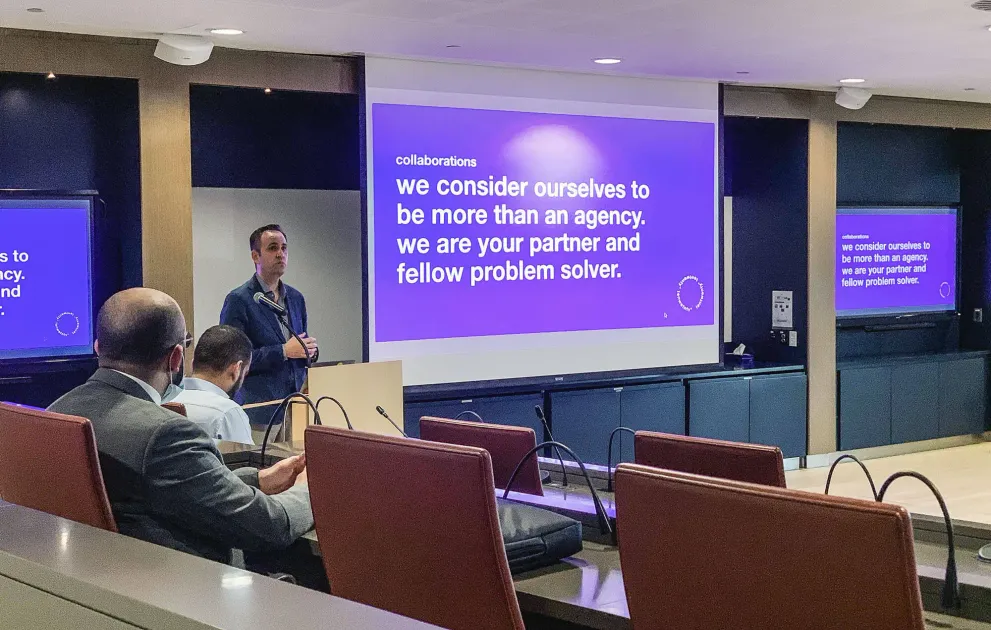
01. The Discovery Workshop Package
The discovery package is a creative & digital consulting discovery phase, being a crucial step in the website and mobile app design and development process. It involves understanding business needs, aligning stakeholders, automating and digitizing processes, finding and defining digital opportunities, and creating RFPs to ensure the project is a success. This phase sets the foundation for a successful outcome and helps businesses achieve their digital goals.
02. Website & App Assessment – Optimize & Elevate
Is your website or app performing at its best? Our comprehensive assessment analyzes design, functionality, speed, security, and SEO to identify areas for improvement. We provide actionable insights to enhance user experience, performance, and conversions, ensuring your digital platform is optimized for success.
articles


Ready to elevate your digital presence?
Get your 30 minute slot with one of our experts to understand the digital health of your business.